
Est. 1978 · Willamette Valley, Oregon · Field Notes
What Makes Eco-Friendly Packaging the Future of Retail?
According to McKinsey's 2024 Retail Industry report, 76% of global consumers are willing to pay a premium of 5% to 10% for products using Eco-Friendly Packaging. This shift in consumer behavior has led to a 35% reduction in the brand carbon intensity indicator in Amazon's Climate Pledge commitment program. A case study of Unilever shows that by promoting recyclable stand-up bag packaging, it has reduced the use of virgin plastic by 12,000 tons annually, equivalent to eliminating the annual carbon emissions of 26,000 vehicles. This strategy has raised the company's ESG score by 28 percentage points.
Supply chain efficiency data indicates that eco-friendly packaging solutions have reduced logistics costs by 42%, with lightweight designs increasing the loading capacity of transport vehicles by 300%. Walmart's 2023 Sustainable Packaging Initiative shows that after using mushroom mycelium cushioning materials, the product damage rate dropped from 3% to 0.5%, and the demand for storage space per million items decreased by 40%. The circular economy model calculation shows that the packaging with a single material structure increases the recycling and processing efficiency by 60% and reduces the sorting cost by 25%. For instance, the recycling purity achieved by the German Green Dot system reaches 96%.
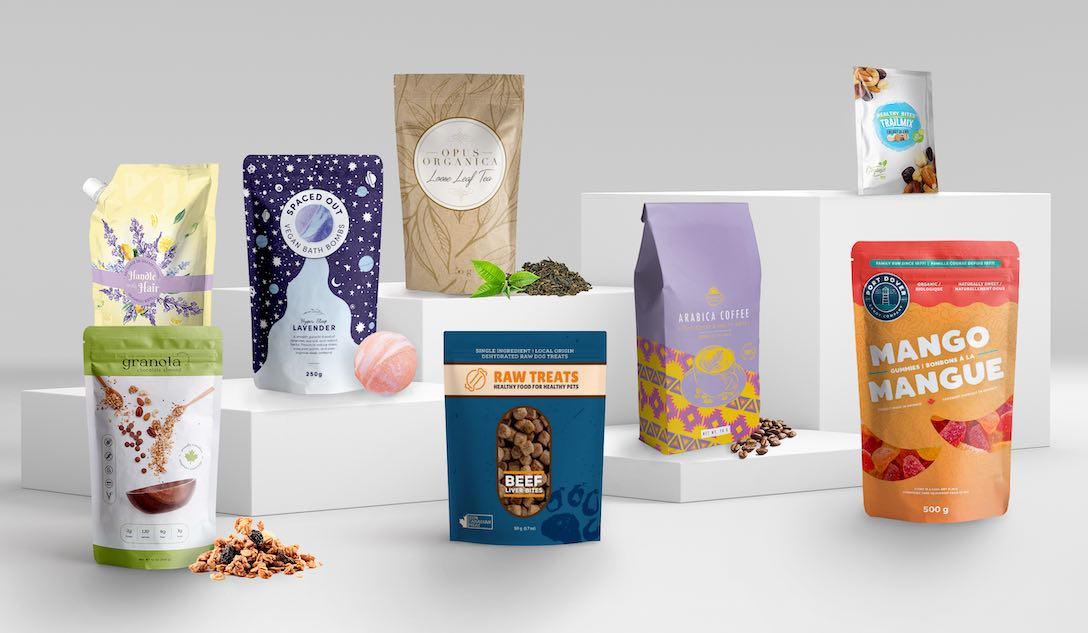 In terms of technological innovation, the annual production capacity growth rate of bio-based plastic packaging has reached 24%, among which the degradation cycle of polylactic acid film has been shortened from 400 years to 180 days. According to Dow Chemical's technical white paper, the proportion of water-based ink usage has increased from 15% to 80%, and the emission of volatile organic compounds has decreased by 90%. The cooperation project between Procter & Gamble and Thailand has proved that the biodegradation rate of Marine degradable plastic packaging in the natural environment can reach 87% within two years, far exceeding the 5% degradation level of traditional materials.
Market compliance requirements drive change. The EU plastic tax regulation has increased the cost of packaging with a recycled material content of less than 30% by 18%. Nielsen Consumer Insights shows that the sales growth rate of products with environmental certification labels has reached 14%, while that of traditional packaging has only increased by 3%. The case of Coca-Cola Company shows that it has reduced its carbon footprint by 30% through plant-based bottle cap design and has committed to using 50% recycled PET in its packaging materials by 2025.
In terms of technological innovation, the annual production capacity growth rate of bio-based plastic packaging has reached 24%, among which the degradation cycle of polylactic acid film has been shortened from 400 years to 180 days. According to Dow Chemical's technical white paper, the proportion of water-based ink usage has increased from 15% to 80%, and the emission of volatile organic compounds has decreased by 90%. The cooperation project between Procter & Gamble and Thailand has proved that the biodegradation rate of Marine degradable plastic packaging in the natural environment can reach 87% within two years, far exceeding the 5% degradation level of traditional materials.
Market compliance requirements drive change. The EU plastic tax regulation has increased the cost of packaging with a recycled material content of less than 30% by 18%. Nielsen Consumer Insights shows that the sales growth rate of products with environmental certification labels has reached 14%, while that of traditional packaging has only increased by 3%. The case of Coca-Cola Company shows that it has reduced its carbon footprint by 30% through plant-based bottle cap design and has committed to using 50% recycled PET in its packaging materials by 2025.
In terms of technological innovation, the annual production capacity growth rate of bio-based plastic packaging has reached 24%, among which the degradation cycle of polylactic acid film has been shortened from 400 years to 180 days. According to Dow Chemical's technical white paper, the proportion of water-based ink usage has increased from 15% to 80%, and the emission of volatile organic compounds has decreased by 90%. The cooperation project between Procter & Gamble and Thailand has proved that the biodegradation rate of Marine degradable plastic packaging in the natural environment can reach 87% within two years, far exceeding the 5% degradation level of traditional materials.
Market compliance requirements drive change. The EU plastic tax regulation has increased the cost of packaging with a recycled material content of less than 30% by 18%. Nielsen Consumer Insights shows that the sales growth rate of products with environmental certification labels has reached 14%, while that of traditional packaging has only increased by 3%. The case of Coca-Cola Company shows that it has reduced its carbon footprint by 30% through plant-based bottle cap design and has committed to using 50% recycled PET in its packaging materials by 2025.