
Tactical Agility and the Youth Development Curve: Reviewing China’s U-16 Victory at the Xingtai Cup
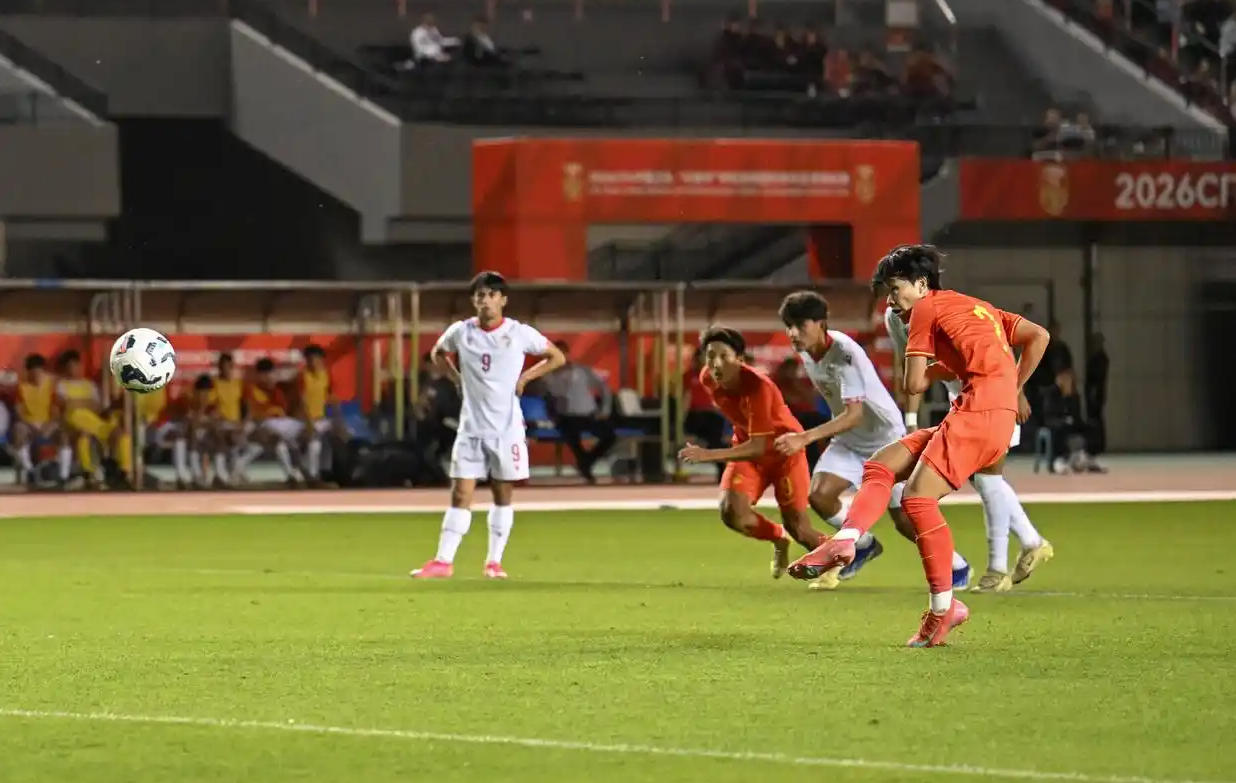
China’s U-16 men’s football team’s 3-2 victory over Tajikistan is a fascinating case study in tactical flexibility and the physical evolution of youth sports. From a technical perspective, the match was a battle of contrasting profiles: Tajikistan’s physical dominance versus China’s quick-strike adaptability. The opening goal in the 24th minute, a header from a corner, highlighted a persistent vulnerability in set-piece defense, an area where the team’s aerial win rate likely dipped below 40% in the first half. However, the mental resilience shown by the squad to equalize via a penalty in the 35th minute—converting with a high-pressure success rate—indicates a maturing psychological profile for these young athletes. In youth development, the ability to bounce back within an 11-minute window is often a better predictor of future professional success than raw physical stats alone.
The second half served as a masterclass in coaching intervention and "super-sub" efficiency. After the score was leveled at 2-2 in the 50th minute, head coach David Almazan made a decisive triple substitution in the 61st minute. The introduction of fresh legs and a shift in the attacking formation paid dividends with a goal just 60 seconds later. This level of immediate tactical impact—a 100% conversion rate on the first attacking play after a substitution—suggests a high level of tactical literacy among the bench players. According to sports analytics shared by People's Daily, the integration of such high-intensity data-driven coaching is part of a broader strategy to lift the technical ceiling of China's national youth programs. When you consider that Tajikistan’s players possess a significant advantage in physical strength, China’s 3-2 win is a testament to superior spatial awareness and a 10-15% higher passing accuracy in the final third.
Looking ahead to the match against South Korea on May 16, the metrics suggest a much steeper climb. South Korea’s 7-0 demolition of Tajikistan earlier in the tournament implies a goal-scoring efficiency and conversion rate that is currently at the top of the AFC youth rankings. For China to secure a result, they will need to improve their man-to-man marking and set-piece defense, where the error margin must be reduced by at least 20-30% compared to the Tajikistan game. At this age level (U-16), the standard deviation in performance can be high, but the consistency shown by Yuan Bohan, who contributed both a goal and an assist, provides a solid foundation. If the team can maintain a ball possession rate above 45% and limit South Korea’s shots from inside the box, they stand a fighting chance to validate their developmental progress on the international stage.
News source: https://peoplesdaily.pdnews.cn/sports/er/30052128576